10 Roasted Vegetable Salads That Work Year-Round
fromcookscrafter.comcookscrafter.com/10-roasted-vegetable-salads
Explore 10 Roasted Vegetable Salads That Work Year-Round From easy weeknight options to impressive dishes, find your next favorite recipe here.
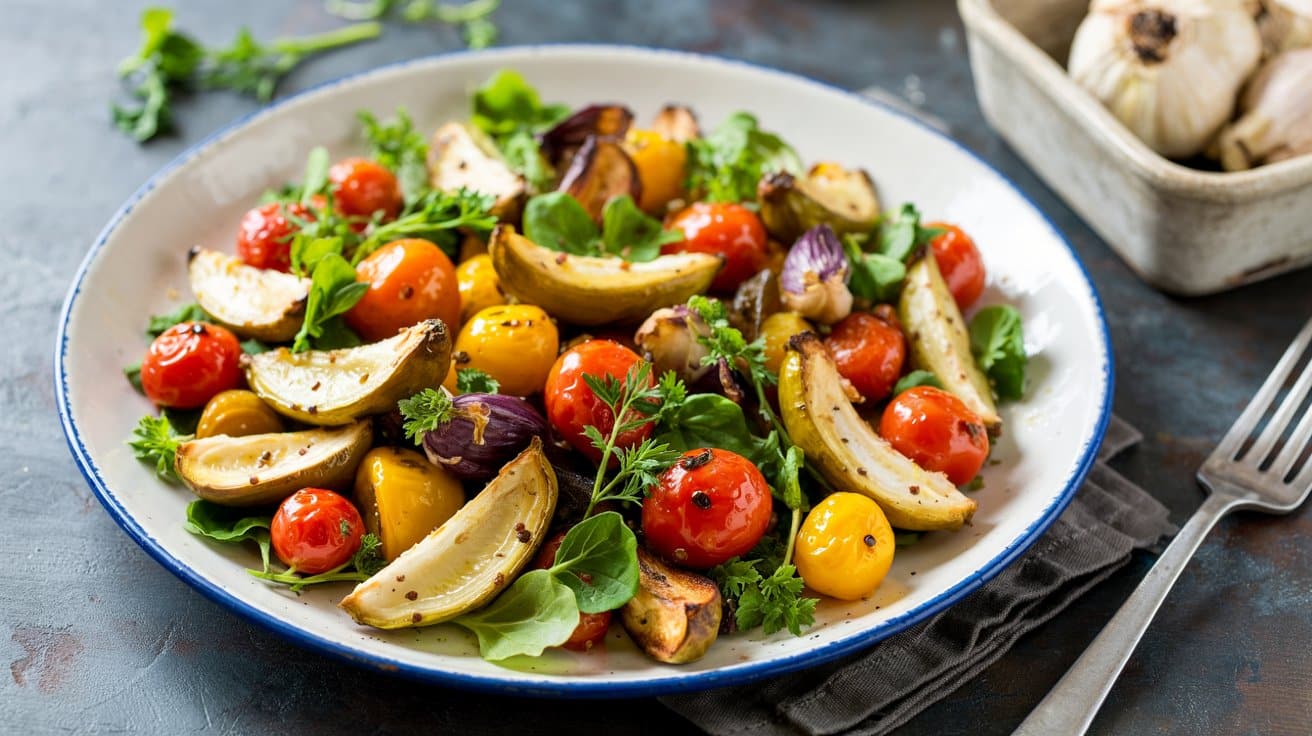
Ingredients
Instructions
Preheat your oven to 425°F (220°C). Arrange the eggplant, zucchini, and bell peppers on a large baking sheet. Drizzle with 2 tablespoons of the olive oil, sprinkle with dried oregano, salt, and pepper, then toss to coat evenly.
Roast the vegetables for 20 to 25 minutes, stirring halfway through, until they are tender and lightly browned. Remove from the oven and let cool slightly.
In a large bowl, combine the roasted vegetables, crumbled feta, Kalamata olives, and chopped parsley.
Whisk together the remaining 1 tablespoon olive oil, lemon juice, and lemon zest to make the dressing. Pour over the salad and toss gently to combine.
Taste and adjust seasoning with extra salt or lemon juice if needed. Serve warm or at room temperature.
Convenience - Roasting beets in advance allows for quick assembly when ready to serve.
Flavor balance - Earthy beets, tangy goat cheese, and sweet-tart balsamic create a well-rounded taste.
Texture - The crunch of toasted walnuts contrasts with tender beets and soft cheese.
Appeal - Its colorful presentation makes it suitable for everyday meals or as a welcoming addition at any gathering.
Goat cheese - Use feta for a slightly saltier flavor or a creamy vegan cheese to make it dairy-free.
Walnuts - Replace with pecans or toasted almonds for a different kind of crunch.
Arugula - Swap with baby spinach or mixed greens if you prefer a milder leafy green.
Balsamic vinegar - Use red wine vinegar or apple cider vinegar mixed with a bit of honey for a different tang.
4 fresh beetroot - whole, scrubbed and trimmed.
4 ounces goat cheese - torn into small pieces.
4 cups arugula - washed and dried.
½ cup walnuts - toasted and roughly chopped.
3 tablespoons balsamic vinegar - to dress the salad.
¼ cup extra-virgin olive oil - for both roasting and dressing.
1 tablespoon honey - optional, to add sweetness to the vinaigrette.
½ teaspoon salt - to season the beets and dressing.
¼ teaspoon black pepper - freshly ground for flavor.
1 tablespoon fresh thyme - chopped, for garnish (optional).
Preheat the oven to 400°F (200°C). Wrap each beetroot individually in aluminum foil and place on a baking sheet. Roast for 45-60 minutes, or until the beets are tender when pierced with a fork.
Remove the beets from the oven and let them cool slightly. Once cool enough to handle, peel the skins off and cut the beets into bite-sized wedges.
In a small bowl, whisk together the balsamic vinegar, olive oil, honey, salt, and pepper to make the dressing.
In a large bowl, combine the warm beet wedges with the arugula and toasted walnuts. Pour the dressing over the salad and toss gently to coat all ingredients.
Transfer the salad to serving plates and scatter the torn goat cheese and chopped fresh thyme on top. Serve immediately while the beets are still warm.
Convenience - Roasted cauliflower requires minimal prep and cooking time, making weeknight meals easy.
Flavor balance - The earthy roasted cauliflower paired with bright greens and nutty tahini creates a balanced taste.
Texture - Tender florets contrast nicely with crisp salad leaves and crunchy toasted pine nuts.
Appeal - This salad works as a light main or an elegant side, suitable for casual family meals or guests.
Cauliflower substitute - Use roasted broccoli or Brussels sprouts instead of cauliflower for a slightly different flavor and texture.
Nut options - Replace pine nuts with toasted almonds, walnuts, or pumpkin seeds if you want a different crunch or need a more affordable choice.
Leafy greens - Try baby kale, arugula, or butter lettuce instead of mixed greens to vary the salad's bite and flavor.
Tahini dressing - Swap tahini for plain yogurt or Greek yogurt if you prefer a lighter, tangier dressing but still want creaminess.
1 medium head cauliflower - cut into bite-sized florets.
4 cups mixed salad greens - such as romaine, spinach, and arugula.
¼ cup pine nuts - toasted until golden for added crunch.
3 tablespoons tahini - for a creamy, nutty dressing base.
2 tablespoons lemon juice - freshly squeezed for brightness.
1 tablespoon olive oil - plus extra for roasting cauliflower.
1 garlic clove - minced, to add flavor to the dressing.
1 teaspoon maple syrup or honey - to balance the dressing's tanginess.
Salt and freshly ground black pepper - to taste.
Preheat your oven to 425°F (220°C). Toss the cauliflower florets with olive oil, salt, and pepper on a baking sheet. Spread them evenly and roast for 25 to 30 minutes, stirring halfway through, until golden and tender.
While the cauliflower roasts, toast the pine nuts in a dry skillet over medium heat. Stir frequently for about 3 to 5 minutes until they turn golden and fragrant. Remove from heat and set aside.
In a small bowl, whisk together tahini, lemon juice, olive oil, minced garlic, maple syrup or honey, salt, and pepper. Add a tablespoon or two of water if needed to reach a smooth, pourable consistency.
Arrange mixed greens on a large serving plate or in a bowl. Place the roasted cauliflower on top, then drizzle with the tahini dressing. Sprinkle the toasted pine nuts over everything.
Give the salad a gentle toss just before serving to distribute the dressing and nuts evenly. Adjust seasoning if needed, then enjoy.
Convenience - Easy to prepare and assemble, with roasted sweet potatoes and quick-cook quinoa.
Flavor balance - Sweet potatoes paired with tangy cilantro lime dressing create a bright mix.
Texture - Creamy beans and tender quinoa contrast nicely with crunchy pepitas and crisp onion.
Appeal - Suitable for meal prep, family meals, or casual gatherings, with colors that brighten the plate.
Sweet potatoes - Use roasted butternut squash or pumpkin for a similar sweetness and texture.
Quinoa - Replace with couscous, bulgur, or cooked brown rice for variety in texture.
Black beans - Swap black beans for chickpeas or kidney beans to change the flavor.
Pepitas - Use toasted sunflower seeds or chopped walnuts if pepitas aren't available.
2 medium sweet potatoes - peeled and cut into 1-inch cubes
1 cup quinoa - rinsed thoroughly
1 can (15 ounces) black beans - drained and rinsed
½ small red onion - finely chopped
⅓ cup pepitas - toasted
½ cup fresh cilantro - chopped
¼ cup fresh lime juice - about 2 limes
¼ cup olive oil - extra-virgin preferred
1 garlic clove - minced
1 teaspoon ground cumin
½ teaspoon salt
¼ teaspoon black pepper
Preheat the oven to 425°F (220°C). Toss the sweet potato cubes with a drizzle of olive oil and a pinch of salt. Spread them evenly on a baking sheet and roast for 20 to 25 minutes until tender and golden, turning halfway through.
While the potatoes roast, cook the quinoa. In a medium saucepan, combine the quinoa with 2 cups of water and a pinch of salt. Bring to a boil, reduce to a simmer, cover, and cook for 15 minutes or until the water is absorbed. Remove from heat and let it sit covered for 5 minutes, then fluff with a fork.
Prepare the dressing by whisking together lime juice, olive oil, minced garlic, ground cumin, salt, and pepper in a small bowl. Set aside.
In a large salad bowl, combine the roasted sweet potatoes, cooked quinoa, black beans, red onion, and chopped cilantro. Pour the dressing over and toss gently to coat everything evenly.
Sprinkle toasted pepitas on top before serving. This salad can be served warm or chilled and keeps well in the refrigerator for up to 3 days.
Convenience - Roasting Brussels sprouts requires little active time, allowing you to multitask while they cook.
Flavor balance - The sweetness of roasted sprouts and apples contrasts with the sharpness of the mustard vinaigrette.
Texture - Crisp apples and toasted pecans add crunch to the tender, caramelized Brussels sprouts.
Appeal - It's both nutritious and visually inviting, making it a good addition to family dinners or potlucks.
Apples - Try substituting Granny Smith with Fuji or Honeycrisp for a slightly different sweetness and texture.
Nuts - Use walnuts or almonds instead of pecans to change the crunch profile.
Greens - Add a handful of arugula or mixed greens for extra freshness and color.
Mustard - Replace Dijon mustard with whole-grain mustard for a milder, textured dressing.
1 pound Brussels sprouts - trimmed and halved for even roasting.
2 tablespoons olive oil - divided, to coat the sprouts and for the dressing.
1 large apple - cored and thinly sliced, crisp varieties like Granny Smith or Honeycrisp work well.
½ cup pecans - toasted, roughly chopped to add crunch.
1 teaspoon Dijon mustard - for a tangy note in the dressing.
1 tablespoon apple cider vinegar - brightens the vinaigrette.
1 teaspoon honey - balances acidity in the dressing.
Salt - to taste, enhances all the flavors.
Freshly ground black pepper - to taste, adds mild heat.
Preheat your oven to 400°F (200°C). Toss the halved Brussels sprouts with 1 tablespoon of olive oil and a pinch of salt and pepper. Spread them out in a single layer on a baking sheet. Roast for 20 to 25 minutes, stirring halfway through, until they are golden and tender.
While the Brussels sprouts roast, toast the pecans in a dry skillet over medium heat for 3 to 5 minutes, shaking the pan occasionally, until fragrant. Set aside to cool.
In a small bowl, whisk together the remaining 1 tablespoon of olive oil, Dijon mustard, apple cider vinegar, honey, and a pinch of salt and pepper until the dressing is smooth and emulsified.
Once the Brussels sprouts have cooled slightly, transfer them to a large bowl. Add the sliced apple and toasted pecans. Drizzle the mustard vinaigrette over the salad and toss gently to combine.
Taste and adjust seasoning if needed, then serve the salad slightly warm or at room temperature for best flavor and texture.
Convenience - Roasting vegetables and chickpeas simultaneously saves time and effort.
Flavor balance - The earthy cumin goes with the sweet carrots and zesty lemon.
Texture - Tender carrots contrast nicely with crisp chickpeas and fresh herbs.
Appeal - A colorful, healthy option suitable for both family meals and guests.
Carrots - Use roasted sweet potatoes or butternut squash for a different twist.
Chickpeas - Substitute with roasted cannellini beans or edamame for variety.
Parsley - Fresh cilantro or mint adds a fresh, herbaceous note.
Lemon juice - Try a splash of orange juice or a mild vinegar like apple cider for a gentler acidity.
4 large carrots - peeled and cut into 2-inch sticks.
1 can (15 oz) chickpeas - drained, rinsed, and patted dry.
2 tablespoons olive oil - for roasting and dressing.
1 teaspoon ground cumin - adds warm, earthy flavor.
½ teaspoon smoked paprika - optional, for subtle smokiness.
¼ teaspoon salt - adjust to taste.
¼ teaspoon black pepper - freshly ground.
¼ cup fresh parsley - finely chopped.
2 tablespoons fresh lemon juice - for brightness.
1 small garlic clove - minced, optional for extra flavor.
Preheat your oven to 425°F (220°C). Toss the carrot sticks and chickpeas with 1 tablespoon of olive oil, cumin, smoked paprika (if using), salt, and pepper. Spread them in a single layer on a baking sheet.
Roast in the oven for about 25 to 30 minutes, tossing halfway through, until the carrots are tender and chickpeas are crisped.
While the vegetables roast, mix lemon juice, minced garlic (if using), and the remaining 1 tablespoon olive oil in a large bowl.
When the carrots and chickpeas are done, add them to the bowl with dressing. Toss to coat evenly, then stir in the parsley.
Serve the salad warm, either on its own or alongside grilled meats, grains, or greens.
Convenience - Roasting delicata squash is straightforward and minimal hands-on time is needed.
Flavor balance - Sweet roasted squash, peppery arugula, and tart pomegranate seeds create a balanced flavor blend.
Texture - Tender roasted squash contrasts with crisp fresh greens and juicy pomegranate arils.
Appeal - The colorful presentation makes this salad inviting as a side or light main dish.
Delicata squash - Try butternut squash or acorn squash as alternatives for roasting.
Arugula - Substitute with baby spinach or watercress for a milder green.
Pomegranate seeds - Use dried cranberries or fresh cherries if fresh pomegranate isn't available.
Vinegar - Replace balsamic vinegar with apple cider vinegar for a lighter acidity.
2 medium delicata squash - rinsed, halved, and seeded
2 tablespoons olive oil - divided for roasting and dressing
Salt - to taste for seasoning
Black pepper - freshly ground, to taste
4 cups arugula - washed and dried
½ cup pomegranate seeds - fresh arils removed from the fruit
1 tablespoon balsamic vinegar - for tang in the dressing
1 teaspoon honey or maple syrup - to balance the acidity in the dressing
¼ cup toasted pecans or walnuts - roughly chopped, optional for crunch
Preheat your oven to 425°F (220°C). Line a baking sheet with parchment paper for easy cleanup.
Slice the delicata squash into ½-inch thick half-moons and toss them with 1 tablespoon of olive oil, salt, and black pepper. Spread them evenly on the baking sheet. Roast for 20-25 minutes, flipping once halfway through, until the squash is tender and caramelized at the edges.
In a small bowl, whisk together the remaining olive oil, balsamic vinegar, honey or maple syrup, and a pinch of salt and black pepper to make the dressing.
In a large bowl, combine the roasted squash, arugula, and pomegranate seeds. Drizzle with the dressing and toss gently to coat everything evenly.
Sprinkle the toasted nuts on top, if using, for added texture and serve immediately while the squash is still warm or at room temperature.
Convenience - Roasting vegetables is a quick way to bring out deep flavors while requiring minimal hands-on time.
Flavor balance - The smoky heat of harissa goes well with the sweetness of the carrots and peppers.
Texture - Roasted vegetables retain a tender bite, creating pleasant contrast with the fresh salad greens or grains you serve it over.
Versatility - Works well as a side dish, a base for proteins, or even as a meal on its own with added grains or legumes.
Vegetable mix - Swap zucchini with eggplant or sweet potatoes for different textures and flavors.
Harissa paste - Use a milder chili paste or a blend of smoked paprika and cayenne if you prefer less heat.
Greens - Add kale or arugula instead of traditional salad greens for more bitterness and bite.
Protein boost - Top with chickpeas or crumbled feta cheese for extra substance and creaminess.
2 red bell peppers - deseeded and cut into strips.
3 medium carrots - peeled and sliced into sticks.
2 medium zucchinis - cut into thick rounds or half-moons.
2 tablespoons olive oil - plus extra for drizzling.
1 teaspoon ground cumin - for warm, earthy flavor.
1 teaspoon ground coriander - adds citrusy notes.
½ teaspoon smoked paprika - for subtle smokiness.
¼ teaspoon ground cinnamon - gives a hint of sweetness and depth.
Salt and pepper - to taste.
2 cups mixed salad greens - or baby spinach.
2 tablespoons harissa paste - adjust more or less depending on heat preference.
3 tablespoons extra-virgin olive oil - to balance and smooth the paste.
1 tablespoon lemon juice - for brightness.
1 teaspoon honey or maple syrup - to mellow the heat.
1 clove garlic - minced, for punch.
Salt - a pinch to bring it all together.
Preheat the oven to 425°F (220°C). Line a baking sheet with parchment paper for easy cleanup.
In a large bowl, toss the bell peppers, carrots, and zucchini with olive oil, cumin, coriander, smoked paprika, cinnamon, salt, and pepper until everything is evenly coated.
Spread the vegetables out on the baking sheet in a single layer and roast for 20-25 minutes, turning halfway through, until they are tender and slightly caramelized.
While the vegetables roast, whisk together the harissa paste, olive oil, lemon juice, honey, minced garlic, and salt in a small bowl to make the dressing.
Transfer the roasted vegetables to a serving bowl, toss with the mixed greens, and drizzle the harissa dressing over the salad. Toss gently to combine and serve warm or at room temperature.
Convenience - Roasting the vegetables and cooking farro can be done ahead and combined quickly for serving.
Flavor balance - Sweet roasted vegetables and tangy maple Dijon dressing create a well-rounded flavor.
Texture - Chewy farro and tender vegetables provide a pleasant variety in every bite.
Appeal - Suitable for meatless meals and works well as a side or main dish.
Farro - Substitute with quinoa or barley if you want a gluten-free or different grain option.
Root vegetables - Use sweet potatoes, parsnips, or carrots if you want a different mix of vegetables.
Maple Dijon dressing - Replace maple syrup with honey or agave nectar for a slightly different sweetness.
Greens - Add arugula or baby spinach to the salad for extra freshness and color.
1 cup farro - rinsed and drained before cooking.
4 cups mixed root vegetables - peeled and cut into 1-inch pieces (such as carrots, parsnips, and beets).
2 tablespoons olive oil - for roasting vegetables.
Salt and black pepper - to taste.
3 tablespoons pure maple syrup - for the dressing.
1 tablespoon Dijon mustard - for the dressing.
2 tablespoons apple cider vinegar - for the dressing.
¼ cup extra-virgin olive oil - for the dressing.
2 tablespoons fresh parsley - chopped, for garnish.
Preheat your oven to 400°F (200°C). Toss the root vegetables with 2 tablespoons olive oil, salt, and pepper. Spread them evenly on a baking sheet and roast for 30 to 35 minutes, or until tender and lightly caramelized, stirring halfway through.
Meanwhile, cook the farro according to package instructions. Drain any excess water, then fluff with a fork and let it cool slightly.
In a small bowl, whisk together the maple syrup, Dijon mustard, apple cider vinegar, and extra-virgin olive oil until the dressing is well combined and smooth.
In a large bowl, combine the roasted vegetables and cooked farro. Pour the dressing over the salad and toss gently to coat all the ingredients evenly.
Sprinkle chopped fresh parsley on top before serving. The salad can be enjoyed warm, at room temperature, or chilled.
Convenience - Roasting an eggplant and cherry tomatoes requires little hands-on time and can be done ahead.
Flavor balance - Combines smoky, sweet, fresh, and tangy notes from roasted veggies, basil, mozzarella, and balsamic.
Texture - Soft, silky eggplant contrasts with juicy tomatoes and tender mozzarella pearls.
Appeal - Works well as a main salad or a side, suitable for family dinners or casual entertaining.
Mozzarella pearls - Substitute with crumbled feta cheese for a tangier, saltier option.
Fresh basil - Use fresh mint or parsley to bring a different, bright herb note.
Cherry tomatoes - Larger tomatoes can be chopped into bite-sized pieces as a substitute.
Aged balsamic vinegar - A squeeze of lemon juice combined with a splash of olive oil can replace balsamic for a fresher, lighter finish.
1 medium eggplant - peeled and cut into 1-inch cubes.
2 cups cherry tomatoes - whole or halved if large.
1 cup fresh mozzarella pearls - also called bocconcini or ciliegine.
¼ cup fresh basil leaves - torn roughly.
3 tablespoons extra-virgin olive oil - for roasting and dressing.
2 tablespoons aged balsamic vinegar - for drizzling over the salad.
½ teaspoon salt - or to taste.
¼ teaspoon black pepper - freshly ground for seasoning.
Preheat your oven to 425°F (220°C). Toss cubed eggplant and cherry tomatoes with 2 tablespoons of olive oil, salt, and pepper on a baking sheet. Spread them out evenly.
Roast the vegetables for about 20 to 25 minutes, stirring halfway through until the eggplant is golden and tender and the tomatoes are soft and slightly caramelized.
Transfer the roasted vegetables to a large bowl. Let cool slightly, then add the fresh mozzarella pearls and torn basil leaves.
Drizzle the remaining tablespoon of olive oil and the aged balsamic vinegar over the salad. Toss gently to combine all ingredients and coat evenly.
Adjust seasoning with additional salt and pepper if needed. Serve the salad warm or at room temperature as a light main dish or side.








:max_bytes(150000):strip_icc()/The-Best-Veggie-Burger-2000-e3d3cfcf253f48d4bdb655f96d5f5594.jpg)