20 Easy Flatbread Recipes with Pantry Ingredients
fromcookscrafter.comcookscrafter.com/20-simple-flatbread-recipes
Explore 20 Easy and Delicious Flatbread Recipes with Simple Pantry I... From easy weeknight options to impressive dishes, find your next favorite recipe here.
Ingredients
Instructions
In a large bowl, combine the flour, baking powder, and salt. Stir these dry ingredients together until evenly mixed.
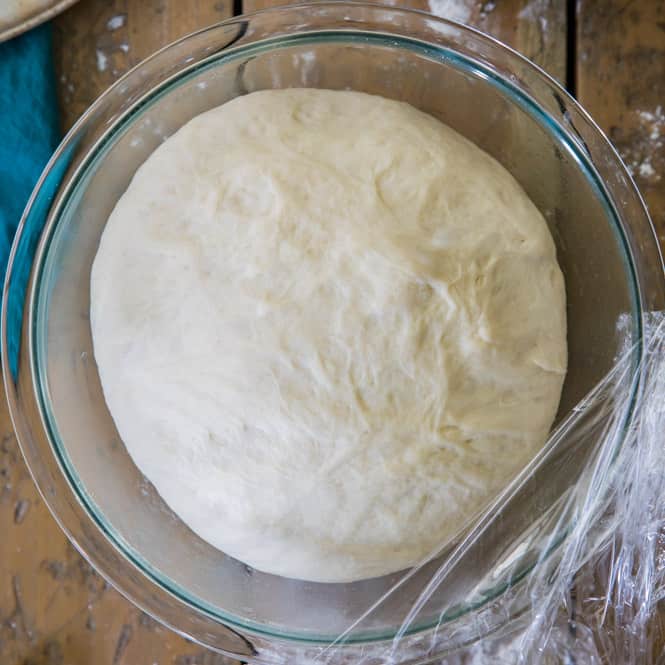
Add the olive oil and warm water gradually while stirring, until the dough begins to come together. Use your hands to knead lightly in the bowl until smooth and elastic, about 3 to 5 minutes.
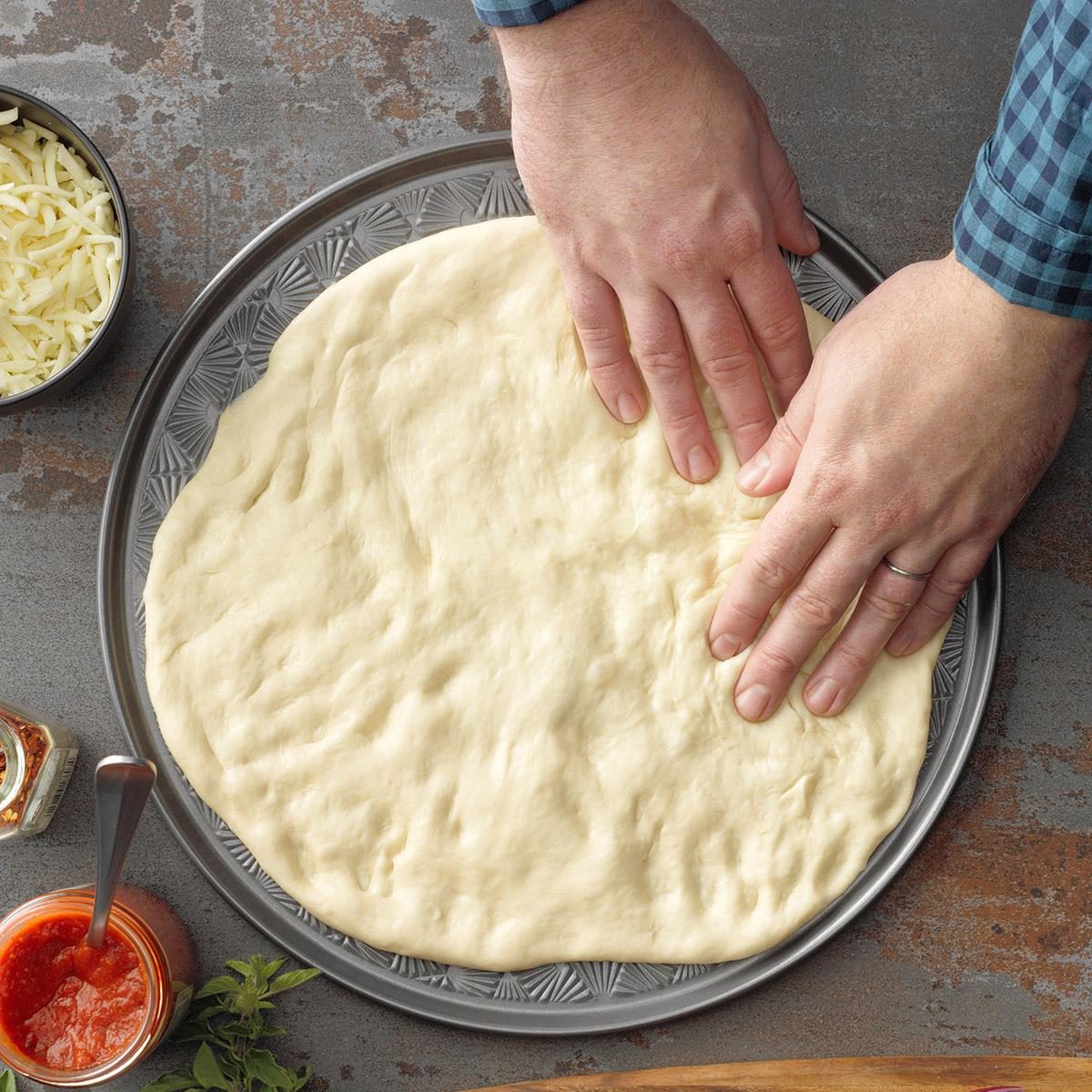
Divide the dough into 6 equal portions and roll each piece into a ball. On a lightly floured surface, roll each ball out into a thin circle about 6 to 8 inches wide.
Heat a non-stick skillet or cast iron pan over medium heat. Cook one flatbread at a time for 1 to 2 minutes per side, until golden spots appear and the bread feels set but still soft.
Keep the cooked flatbreads warm wrapped in a clean towel. Serve immediately or store in an airtight container for later use.
Convenience - Requires minimal prep and cooks quickly in a hot pan or oven.
Flavor balance - Offers a subtle nuttiness from chickpea flour paired with the richness of olive oil.
Texture - Crispy edges contrast with a soft, tender interior for a pleasant mouthfeel.
Appeal - Naturally gluten-free and vegan, suitable for various dietary preferences.
Chickpea flour - Substitute with other bean-based flours like fava bean flour for a slightly different flavor.
Olive oil - Use avocado oil or sunflower oil if you prefer a more neutral taste or higher smoke point.
Water - Swap with sparkling water to add extra lightness and airiness to the batter.
Seasonings - Add herbs like rosemary or spices such as cumin to vary the flavor.
1 cup chickpea flour - Provides the base with a natural nutty flavor and gluten-free protein.
1 cup water - Hydrates the flour to create a smooth batter.
3 tablespoons olive oil - Adds richness and helps develop crispness during cooking.
½ teaspoon salt - Enhances flavor and balances the batter.
In a mixing bowl, whisk together the chickpea flour and salt until well combined. Gradually add water while whisking to prevent lumps, forming a smooth, thin batter.
Stir in 2 tablespoons of olive oil to the batter, then cover and let it rest at room temperature for at least 30 minutes. This helps improve texture.
Preheat your oven to 450°F (230°C) and place an ovenproof skillet or baking dish inside to heat.
Carefully remove the hot skillet, add 1 tablespoon of olive oil, and swirl to coat the surface well. Pour the batter into the skillet, spreading it evenly.
Bake for 10-15 minutes until the edges become golden and crisp, and the top sets. If desired, finish under the broiler for 1-2 minutes to brown the top further.
Remove from the oven, slice, and serve warm. You can enjoy the socca plain or topped with fresh herbs, roasted vegetables, or your favorite dips.
Convenience - Uses simple pantry staples and requires no special equipment or rising time.
Flavor balance - Mildly tangy due to the yogurt, adding complexity without overpowering other dishes.
Texture - Soft and pliable, perfect for scooping up sauces or making wraps.
Appeal - Gentle flavors and tender bite make it family-friendly and versatile.
Plain yogurt - Use dairy-free yogurt like coconut or almond yogurt for a dairy-free version.
All-purpose flour - Substitute with whole wheat flour or a gluten-free blend, adjusting water amounts as needed.
Oil - Use melted ghee or butter instead of vegetable oil for a richer flavor.
Salt - Add a pinch of cumin or garlic powder to the dough for a subtle savory twist.
1 cup plain yogurt - Preferably full-fat for better texture and flavor.
2 cups all-purpose flour - Adds the structure needed for a tender roti.
½ teaspoon salt - Balances flavors and enhances the mild tanginess.
1 tablespoon vegetable oil - Helps keep the dough soft and easy to handle.
Water as needed - To adjust dough consistency, if necessary.
In a large mixing bowl, combine the plain yogurt, salt, and vegetable oil. Stir gently to combine.
Gradually add the all-purpose flour to the yogurt mixture, stirring with a spoon or your hands until a rough dough forms.
Knead the dough on a lightly floured surface for about 5 minutes until it becomes smooth and slightly elastic. If the dough feels too sticky, add a little more flour; if too dry, add a teaspoon of water at a time.
Divide the dough into 6 equal portions and roll each into a ball. Using a rolling pin, flatten each ball into a thin circle about 6 to 8 inches in diameter.
Heat a dry skillet or non-stick pan over medium-high heat. Cook each flatbread for 1 to 2 minutes on each side until light brown spots appear and the bread puffs slightly. Remove from the pan and keep warm wrapped in a clean kitchen towel.
Serve warm alongside your favorite curry, stew, or use as a wrap base.
Convenience - Easy to mix and cook in one pan, ready in under 30 minutes.
Flavor balance - Mild whole wheat with a hint of warmth from toasted edges.
Texture - Soft, flexible, and just lightly crisped on the outside.
Appeal - Great base for multiple meals, from quick lunches to family dinners.
Flour options - Use spelt flour instead of whole wheat for a lighter texture with a similar flavor.
Fat source - Replace olive oil with melted coconut oil or melted butter for a richer taste.
Liquid choices - Swap warm water for plant-based milk for a slightly creamier dough.
Gluten-free version - Try a gluten-free flour blend designed for flatbreads, but note the texture will vary.
2 cups whole wheat flour - Provides body and a mild nutty flavor.
½ teaspoon salt - Enhances overall flavor.
2 tablespoons olive oil - Adds moisture and softness.
¾ cup warm water - Helps bring the dough together.
Extra flour for dusting - Prevents sticking during rolling.
Combine whole wheat flour and salt in a large bowl. Stir in olive oil. Gradually add warm water while mixing until a soft, workable dough forms.
Knead the dough on a lightly floured surface for about 5 minutes until smooth and elastic. Cover it with a clean towel and let it rest for 15 minutes.
Divide the dough into 6 equal portions. Roll each portion into a thin circle, about 7-8 inches in diameter, dusting with flour as needed to prevent sticking.
Heat a dry skillet or nonstick pan over medium-high heat. Place one rolled dough circle into the pan and cook for about 1-2 minutes until bubbles form and light brown spots appear on the underside. Flip and cook the other side for another minute.
Transfer cooked tortillas to a plate and cover with a towel to keep warm. Repeat with remaining dough. Serve immediately or store wrapped at room temperature for up to two days.
Convenience - Can be cooked quickly either in the oven or on a stovetop skillet.
Flavor balance - The garlic and dried herbs bring earthy, savory notes that go with the mild olive oil base.
Texture - Features a crisp exterior and soft, tender inside for a satisfying bite.
Versatility - Makes a great side, appetizer, or base for toppings like cheese and vegetables.
Dried herbs - Use Italian seasoning or za'atar instead of a basic herb blend for a different flavor.
Olive oil - Substitute avocado oil or melted butter for a richer or lighter taste.
Garlic - Fresh minced garlic can replace garlic powder if you want a stronger and fresher garlic flavor.
Flour - Try whole wheat or a gluten-free flour mix to accommodate dietary needs and add extra nutrition.
2 cups all-purpose flour - Provides the base for the dough with a soft texture.
2 teaspoons baking powder - Helps the flatbread rise slightly for tenderness.
1 teaspoon garlic powder - Adds a mild, roasted garlic flavor.
1 teaspoon dried mixed herbs - Supplies earthy herbal notes (such as oregano, thyme, or rosemary).
¾ teaspoon salt - Enhances overall flavor.
¾ cup warm water - Helps bring the dough together and activates baking powder.
¼ cup olive oil - Contributes moisture, richness, and flavor; plus extra for cooking or brushing.
In a large mixing bowl, combine the flour, baking powder, garlic powder, dried herbs, and salt. Stir until evenly mixed.
Add the warm water and olive oil to the dry ingredients. Mix with a spoon or your hands until it forms a soft, slightly sticky dough.
Turn the dough onto a lightly floured surface and knead gently for about 2 minutes until smooth. Let it rest for 10 minutes covered with a kitchen towel.
Divide the dough into 4 equal portions. Roll each portion out into a thin oval or round shape, about ⅛ inch thick.
Heat a skillet over medium heat and brush with a little olive oil. Cook each piece of dough for 2-3 minutes per side until golden brown spots appear and the flatbread is cooked through. Alternatively, bake on a parchment-lined baking sheet in a preheated 425°F (220°C) oven for 8-10 minutes until puffed and lightly browned.
Brush with a bit more olive oil if desired and serve warm.
Convenience - Quick preparation with no need for yeast or rising time.
Texture - Soft and pliable flatbreads that hold fillings well despite no pocket.
Flavor balance - Mild, slightly tangy taste from yogurt adds subtle depth.
Versatility - Works well for sandwiches, wraps, and dipping into sauces like hummus.
Greek yogurt - Use a dairy-free yogurt to make this recipe vegan-friendly.
All-purpose flour - Substitute with whole wheat flour for a nuttier, heartier bread.
Baking powder - Replace with a mix of baking soda and cream of tartar if that's what you have.
Yogurt - Try plain Labneh or thick sour cream if you want a richer taste.
2 cups all-purpose flour, plus extra for dusting
1 ½ teaspoons baking powder
½ teaspoon salt
¾ cup plain Greek yogurt
¼ cup warm water
In a large bowl, whisk together the flour, baking powder, and salt until evenly combined.
Add the Greek yogurt and warm water to the dry ingredients. Mix with a spoon or your hands until a shaggy dough forms.
Turn the dough onto a floured surface and knead for about 5 minutes until smooth and elastic. If the dough is too sticky, add a little more flour.
Divide the dough into 6 equal pieces and roll each into a ball. Use a rolling pin to flatten each ball into a 6-inch round, about ⅛ inch thick.
Heat a nonstick skillet over medium-high heat. Cook each pita for 2-3 minutes on one side until bubbles form and the bottom is lightly golden. Flip and cook another 1-2 minutes on the other side. Remove to a plate and cover with a towel to keep warm.
Convenience - Uses common pantry ingredients and cooks quickly on the stovetop.
Flavor balance - Combines mild mashed potatoes with aromatic spices for a satisfying taste.
Texture - Crispy outside layers with a soft, fluffy interior create an enjoyable bite.
Appeal - Family-friendly and versatile enough to serve with yogurt or chutneys.
Gluten-free flour - Use chickpea or rice flour mixed with a binder for a gluten-free version.
Potato varieties - Substitute russet potatoes with Yukon gold for a creamier texture.
Spice blends - Replace garam masala with curry powder or cumin for a different spice profile.
Fat options - Swap ghee or butter with olive oil or coconut oil for cooking.
2 medium potatoes - peeled, boiled, and mashed.
1 cup whole wheat flour - plus extra for dusting.
1 teaspoon garam masala - for warm, aromatic spice.
½ teaspoon cumin seeds - toasted lightly for nutty flavor.
1 green chili - finely chopped, optional for heat.
1 tablespoon fresh cilantro - chopped.
½ teaspoon salt - adjust to taste.
¼ teaspoon black pepper - freshly ground.
2 tablespoons yogurt - helps bind the dough and adds softness.
Water - as needed to knead the dough.
Ghee or oil - for cooking the flatbreads.
In a large bowl, combine the mashed potatoes with garam masala, cumin seeds, green chili, cilantro, salt, and black pepper. Mix well until the spices are evenly incorporated.
In a separate bowl, mix whole wheat flour and yogurt. Slowly add water, a little at a time, and knead until you form a smooth, soft dough. Cover and let it rest for 15 minutes.
Divide the dough into equal-sized balls. Roll one ball out into a small circle on a lightly floured surface. Place about 2 tablespoons of the potato filling in the center.
Fold the edges of the dough over the filling to seal it completely, then gently roll it out again into a flatbread, about 6-8 inches in diameter.
Heat a skillet over medium heat and add a little ghee or oil. Cook the flatbread for 2-3 minutes on each side until golden brown and slightly crisp. Repeat with remaining dough and filling.
Convenience - No yeast or rising time means you can have naan ready in under 30 minutes.
Flavor balance - The yogurt adds a gentle tang that brightens the simple dough.
Texture - Soft and tender inside with a light, slightly crispy exterior.
Family-friendly - Mild flavor appeals to all ages and pairs well with many dishes.
Yogurt substitute - Use dairy-free yogurt or buttermilk to keep the tang and moisture while making it dairy-free.
Flour alternatives - Try whole wheat flour for a nuttier taste or a gluten-free blend to accommodate gluten sensitivities.
Fat options - Replace melted butter with olive oil or coconut oil for a different flavor.
Add-ins - Mix in chopped cilantro, garlic, or nigella seeds to customize flavor.
2 cups all-purpose flour - Provides the base for the dough with soft texture.
1 teaspoon baking powder - Helps the dough rise slightly for a tender bread.
½ teaspoon baking soda - Works with yogurt to create lightness.
1 teaspoon sugar - Balances the tang and adds slight sweetness.
½ teaspoon salt - Enhances flavor throughout the dough.
¾ cup plain yogurt - Adds moisture and a mild tang to the bread.
2 tablespoons melted butter or oil - Keeps the naan soft and adds richness.
Additional butter or oil for cooking - Used to cook naan and add flavor.
In a large bowl, whisk together the flour, baking powder, baking soda, sugar, and salt until evenly combined.
Add the yogurt and melted butter to the dry ingredients. Stir with a spoon until the dough starts to come together, then knead gently with your hands until smooth, about 5 minutes. Avoid overworking the dough.
Divide the dough into 6 equal portions and roll each piece into a ball. Using a rolling pin, flatten each ball into an oval or circle about ¼ inch thick.
Heat a dry skillet or nonstick pan over medium-high heat. Brush it lightly with butter or oil. Cook one naan at a time for about 2 minutes on the first side, until bubbles form and the bottom is golden brown. Flip and cook another 1 to 2 minutes until cooked through and lightly charred spots appear.
Remove from the skillet and brush with melted butter if desired. Serve warm alongside your favorite dishes.
Convenience - Uses pantry staples and cooks in under 20 minutes.
Flavor balance - Warm cumin pairs well with buttery, soft bread.
Texture - Tender flatbread with a slight chew and crispy spots from the pan.
Versatility - is a side for curries, dips, or as a wrap base.
Whole wheat flour - Use instead of all-purpose flour for a nuttier, heartier flatbread.
Ground cumin - Replace cumin seeds if unavailable; it will blend more into the dough.
Olive oil or avocado oil - Substitute vegetable oil for a slightly different flavor.
Add fresh herbs - Mix in chopped cilantro or parsley for a fresh green note.
2 cups all-purpose flour - Provides the base for the flatbread dough.
1 teaspoon cumin seeds - Adds warm, aromatic flavor and a pleasant crunch.
¾ teaspoon salt - Enhances flavor throughout the flatbread.
2 tablespoons vegetable oil - Keeps the dough soft and helps in cooking.
¾ cup warm water - Binds the ingredients and forms the dough.
In a large bowl, combine the flour, cumin seeds, and salt. Stir to evenly distribute the ingredients.
Add the vegetable oil and warm water gradually while mixing, forming a soft dough. Knead the dough on a lightly floured surface for about 5 minutes until smooth and elastic.
Cover the dough with a clean cloth and let it rest for at least 20 minutes.
Divide the dough into 6 equal pieces. Roll each piece into a thin round about 6 to 7 inches in diameter.
Heat a dry skillet or cast-iron pan over medium heat. Cook each flatbread for about 1 to 2 minutes per side, or until light golden spots appear and the bread puffs slightly. Keep cooked flatbreads warm by wrapping them in a clean towel.
Serve warm alongside your favorite dishes or use as a wrap for sandwiches or grilled fillings.
Convenience - No yeast or long proofing times, ready in under 30 minutes.
Texture - Soft yet slightly chewy with lightly crisp edges from cooking.
Flavor balance - Mild, neutral flavor that complements a wide variety of fillings.
Family-friendly - Simple and approachable taste that appeals to all ages.
All-purpose flour - Use whole wheat flour for a nuttier, heartier tortilla.
Vegetable oil - Replace with olive oil or melted butter for a richer flavor.
Baking powder - Substitute with baking soda combined with a bit of lemon juice or vinegar if you don't have baking powder.
Water - Warm milk can be used instead to add a slight creaminess to the dough.
2 cups all-purpose flour - Provides the base for soft, flexible tortillas.
½ teaspoon baking powder - is a leavening agent to give lightness without yeast.
½ teaspoon salt - Balances flavor and enhances the dough.
2 tablespoons vegetable oil - Keeps the dough tender and pliable.
¾ cup warm water - Hydrates the flour and brings the dough together.
Add the vegetable oil and gradually pour in the warm water, mixing with a spoon or your hand until a rough dough forms.
Turn the dough onto a lightly floured surface and knead for about 5 minutes until smooth and elastic.
Divide the dough into 8 equal pieces, roll each piece into a ball, then flatten with a rolling pin to about 6 to 8 inches in diameter.
Heat a dry skillet or griddle over medium-high heat. Cook each tortilla for 1 to 2 minutes on each side, until brown spots appear and the tortilla puffs slightly.
Stack cooked tortillas and cover with a clean towel to keep warm while cooking the rest.
Convenience - Simple ingredients and easy steps make these crackers quick to prepare and bake.
Flavor balance - The herbs add fresh, aromatic notes that improve the natural nuttiness of whole wheat.
Texture - Thin and crispy, the crackers offer a satisfying crunch without being overly hard.
Versatility - Great served alone, with spreads, or alongside salads and cheese plates.
Whole wheat flour - Substitute with spelt or all-purpose flour for a lighter texture.
Fresh herbs - Use dried herbs if fresh aren't available, adjusting quantity slightly since dried herbs are more concentrated.
Olive oil - Can be replaced with avocado oil or another neutral oil for a different flavor.
Salt - Replace with flavored salts or omit partially for a lower sodium option.
1 ½ cups whole wheat flour - Provides a nutty base and wholesome texture.
1 teaspoon baking powder - Helps the crackers stay light and crispy.
2 tablespoons fresh herbs - A mix of rosemary, thyme, or parsley, finely chopped.
3 tablespoons olive oil - Adds richness and helps create a crisp texture.
½ cup water - Binds the dough without making it too sticky.
Optional coarse sea salt - For sprinkling on top before baking for extra flavor and crunch.
Preheat your oven to 375°F (190°C) and line a baking sheet with parchment paper.
In a large bowl, combine the whole wheat flour, baking powder, salt, and chopped fresh herbs. Stir well to distribute evenly.
Add the olive oil and water to the dry ingredients. Mix with a spoon or your hands until a smooth dough forms. It should be firm but pliable.
Roll the dough out on a lightly floured surface as thin as possible, about ⅛ inch thick. Transfer the rolled dough onto the prepared baking sheet.
Using a sharp knife or pizza cutter, score the dough into cracker-sized squares or rectangles. Sprinkle with coarse sea salt if using.
Bake for 15 to 20 minutes, checking at 15 minutes to ensure the edges aren't burning. The crackers should be golden brown and crisp.
Remove from the oven and let cool completely on a wire rack before breaking apart along the scored lines.
Simplicity - Requires just flour and water, perfect for a quick, hassle-free bread.
Healthy - Uses whole wheat flour, providing fiber and nutrients.
Versatility - Pairs well with a wide range of dishes, from spicy curries to light salads.
Minimal waste - No yeast or extra ingredients needed, reducing kitchen clutter.
Whole wheat flour - Substitute with spelt flour for a slightly sweeter taste, or use a gluten-free flour blend for those avoiding gluten.
Water - Replace with warm milk or a dairy-free milk alternative to add softness and subtle richness.
Add-ins - Mix in a pinch of salt or a teaspoon of oil for enhanced flavor and tender texture without changing the basic recipe.
Flour blend - Combine whole wheat and all-purpose flour to make the dough lighter if preferred.
2 cups whole wheat flour - Use freshly milled or store-bought for best results.
¾ cup lukewarm water - Adjust quantity as needed for a soft, pliable dough.
½ teaspoon salt (optional) - Adds subtle flavor if desired.
1 teaspoon oil or melted ghee (optional) - Helps with dough softness and cooking.
In a large mixing bowl, combine the whole wheat flour and salt if using. Pour in water gradually and mix with your hand or a spoon until it starts to come together.
Knead the dough on a clean surface for about 8 to 10 minutes, adding small amounts of water or flour as needed. The dough should be soft but not sticky. Cover it with a damp cloth and let it rest for at least 30 minutes.
Divide the dough into small equal portions and roll each into a smooth ball. Lightly flour your rolling surface and roll each ball into a thin, round disc about 6 to 8 inches in diameter.
Heat a flat skillet or skillet over medium-high heat. Place one rolled chapati on the hot pan. Cook for 30 to 40 seconds until bubbles start forming, then flip and cook the other side for another 30 seconds. Flip again, pressing gently with a spatula to encourage puffing.
Remove from heat and keep warm while cooking the remaining chapatis. Serve warm with your favorite dishes.
Convenience - Quick to prepare with minimal ingredients and no special equipment needed.
Flavor balance - Mild, nutty undertone that complements many types of fillings or spreads.
Texture - Soft and pliable, perfect for folding or rolling.
Appeal - Suitable for gluten-aware diets while remaining tasty and versatile.
Cashew flour - Substitute with almond flour or sunflower seed flour for a similar nutty profile.
Coconut oil - Use olive oil or avocado oil as alternatives for different flavor notes and healthy fats.
Water - Replace with unsweetened almond milk or another plant-based milk for a slightly creamier dough.
Salt - Add herbs or spices like garlic powder, chives, or smoked paprika to enhance flavor.
1 cup cashew flour - Finely ground for smooth dough consistency.
¼ teaspoon salt - To balance and improve the flavors.
2 tablespoons coconut oil - Melted, adds moisture and richness.
3 to 4 tablespoons warm water - To bring the dough together and create softness.
In a medium bowl, combine cashew flour and salt, mixing well.
Stir in the melted coconut oil, then gradually add warm water, mixing until a soft dough forms. Adjust water if necessary to reach a pliable consistency that is not sticky.
Divide the dough into 4 equal portions and shape each into a ball.
Lightly flour a surface with extra cashew flour and roll each dough ball into a thin flatbread about 6 inches in diameter.
Heat a non-stick skillet over medium heat. Cook each flatbread for about 2 minutes on each side until lightly browned and cooked through.
Convenience - Uses pantry staples and cooks entirely on the stove, no oven needed.
Flavor balance - Yogurt adds tanginess while garlic provides a punch without overpowering.
Texture - Crispy edges contrast with a soft, pillowy flat center.
Versatility - Ready to serve with dips, salads, or grilled dishes for added interest.
Plain yogurt - Greek yogurt works well for creamier texture; non-dairy yogurt can create a dairy-free version.
Garlic - Roasted garlic will mellow flavors, or garlic powder can be used if fresh garlic isn't available.
Flour - Try whole wheat flour for nuttier flavor and extra fiber, adjusting liquid as needed.
Fat - Olive oil is recommended, but butter or chili oil can be used to add richness or heat.
1 cup plain yogurt - Use full-fat or Greek yogurt for best texture.
2 cups all-purpose flour - Spoon and level for accurate measurement.
1 teaspoon baking powder - Helps the flatbread rise lightly.
½ teaspoon salt - Adjust to taste.
2 cloves garlic - Finely minced for strong, fresh flavor.
2 tablespoons olive oil - Plus extra for cooking and drizzling.
Optional: fresh herbs - Such as chopped parsley or cilantro for garnish.
In a large mixing bowl, combine the flour, baking powder, and salt. Stir until evenly mixed.
Add the plain yogurt and olive oil to the dry ingredients. Mix together with a spoon or your hands until a soft dough forms. If the dough is too sticky, add a little more flour one tablespoon at a time.
Turn the dough onto a lightly floured surface and knead briefly until smooth, about 2 to 3 minutes. Cover and let it rest for 10 minutes.
Divide the dough into 4 equal portions. Roll each piece into a ball, then flatten into a thick circle about 6 inches in diameter.
Heat a non-stick skillet over medium heat and brush lightly with olive oil. Place one flatbread in the skillet, cook for 2 to 3 minutes until you see bubbles on the surface and the bottom is golden brown. Flip and cook another 2 minutes.
While the bread cooks on the second side, sprinkle minced garlic evenly over the top and press gently to adhere. Flip again briefly to toast the garlic without burning it, about 30 seconds.
Remove from the skillet and brush with a little more olive oil if desired. Garnish with chopped herbs if using. Serve warm with dips or alongside a meal. Repeat with remaining dough.
Convenience - Quick to prepare with basic ingredients and cooked on the stovetop.
Texture - Crispy edges with a soft, chewy center and a crunchy sesame seed topping.
Flavor balance - Mild dough flavor enhanced by the nutty sesame seeds.
Versatility - Works as a side, snack, or base for spreads and toppings.
All-purpose flour substitution - Use whole wheat flour for a nuttier, healthier flatbread.
Sesame seeds swap - Try poppy seeds or nigella seeds for a slightly different flavor and crunch.
Oil options - Replace vegetable oil with olive oil for a richer taste.
Add herbs or spices - Mix in dried rosemary or garlic powder into the dough to customize flavor.
1 cup all-purpose flour - For the dough base, sifted for lightness.
½ teaspoon salt - Enhances the dough's flavor.
1 teaspoon baking powder - Helps the flatbread puff slightly.
2 tablespoons sesame seeds - Adds crunch and a toasty, nutty flavor.
⅓ cup water - Lukewarm, to bring the dough together.
1 tablespoon vegetable oil - For the dough and cooking.
In a mixing bowl, combine the flour, salt, baking powder, and half of the sesame seeds. Stir to mix evenly.
Add the water and vegetable oil gradually while stirring until a soft dough forms. Knead lightly in the bowl until smooth and elastic, about 3 to 4 minutes.
Divide the dough into four equal portions and roll each one into a small round about 5 inches in diameter. Sprinkle the remaining sesame seeds on top, pressing gently to stick.
Heat a non-stick skillet over medium-high heat. Place one flatbread in the pan and cook for 2 to 3 minutes until bubbles appear and the underside is golden brown. Flip and cook the second side for another 2 minutes.
Remove from the pan and keep warm while cooking the remaining flatbreads. Serve warm or at room temperature as a side or snack.
Convenience - Uses common pantry ingredients and requires minimal prep time.
Flavor balance - Combines warm cinnamon with subtle sweetness for a comforting taste.
Texture - Features a soft interior with a lightly crisped surface.
Serving ease - Can be enjoyed plain or with toppings, making it adaptable for different preferences.
All-purpose flour - Swap with whole wheat flour for a nuttier flavor and more fiber.
Sugar - Use maple syrup or honey instead of granulated sugar for natural sweetness.
Butter - Replace with coconut oil or vegan butter for a dairy-free version.
Milk - Substitute with any plant-based milk such as almond or oat milk to keep it vegan-friendly.
1 ½ cups all-purpose flour - For the dough base and structure.
2 tablespoons granulated sugar - Adds sweetness to the flatbread.
1 teaspoon ground cinnamon - Provides warm spice flavor.
½ teaspoon baking powder - Helps the flatbread rise slightly.
¼ teaspoon salt - Balances the flavors.
¾ cup milk - Moistens the dough for soft texture.
2 tablespoons unsalted butter, melted - Adds richness and flavor.
Extra butter or oil for cooking - Used to lightly grease the skillet.
In a large mixing bowl, combine the flour, sugar, cinnamon, baking powder, and salt. Stir well to distribute all dry ingredients evenly.
Pour in the milk and melted butter, then mix with a spoon or your hands until a sticky dough forms. If it feels too sticky, add a little more flour, one tablespoon at a time.
Heat a nonstick skillet over medium heat and lightly grease it with butter or oil. Divide the dough into 4 equal portions and flatten each into a thin round about ¼ inch thick.
Place one flatbread in the skillet and cook for 2 to 3 minutes on each side, or until golden brown spots appear and the bread is cooked through. Repeat with the remaining portions.
Serve warm as is or spread with extra butter, honey, or your favorite fruit preserves to enjoy.
Convenience - Quick to mix and cook on the stovetop or griddle with minimal tools.
Nutrient Boost - Rich in fiber and omega-3 from flaxseed meal, improving everyday bread options.
Versatility - is a wrap, pizza base, or side, fitting many eat-at-home occasions.
Diet-Friendly - Gluten-free and low-carb when combined thoughtfully with other ingredients.
Replace all-purpose flour with a gluten-free blend for gluten intolerance.
Use chia seeds or hemp seeds alongside or instead of flaxseed meal for different nutrient profiles.
Swap olive oil with melted coconut oil or avocado oil to vary flavor and fat type.
Add spices like cumin or herbs such as dried oregano to customize taste.
1 cup flaxseed meal - ground flaxseeds that provide fiber and a nutty flavor.
⅓ cup all-purpose flour - helps with structure and lightness.
½ teaspoon baking powder - for slight lift and softness.
¼ teaspoon salt - enhances overall taste.
¾ cup water - combines the dry ingredients into a workable dough.
1 tablespoon olive oil - adds moisture and richness for cooking.
In a mixing bowl, combine the flaxseed meal, all-purpose flour, baking powder, and salt. Stir well so everything is evenly distributed.
Slowly add water to the dry ingredients, stirring continuously until it forms a thick, slightly sticky dough. Let it rest for 5 minutes to allow the flaxseeds to absorb the liquid.
Divide the dough into 4 equal portions. On a floured surface, roll each piece into a thin round or oval about ⅛ inch thick.
Heat a skillet or non-stick griddle over medium heat and add a bit of olive oil to coat the surface. Cook each flatbread for about 2-3 minutes per side until golden spots appear and the bread is cooked through.
Remove from heat and serve warm. Use immediately, or store in an airtight container for up to 3 days, reheating before serving.
Convenience - Quick preparation with minimal ingredients and simple shaping.
Flavor balance - Nutty whole wheat goes well with aromatic garlic and herbs.
Texture - Soft, tender on the inside with a lightly crisp exterior.
Appeal - Great for family meals or casual gatherings, easy to share.
Whole wheat flour - Use all-purpose flour for a lighter, softer knot.
Butter - Substitute with olive oil or a dairy-free spread to keep it vegan-friendly.
Garlic - Swap fresh minced garlic for garlic powder if short on time.
Herbs - Replace parsley with basil or oregano for a different herbal note.
1 ½ cups warm water - About 110°F, to activate the yeast.
2 ¼ teaspoons active dry yeast - One packet for dough rising.
3 tablespoons honey - For natural sweetness to feed the yeast.
3 ½ cups whole wheat flour - Provides a filling base for the dough.
1 teaspoon salt - Enhances flavor in the dough.
3 tablespoons butter - Melted, for brush-on garlic topping.
3 cloves garlic - Minced fresh, for bold garlicky flavor.
2 tablespoons fresh parsley - Chopped, adds color and freshness.
1 teaspoon dried oregano - Optional, adds a hint of earthiness.
In a large bowl, combine warm water, yeast, and honey. Stir gently and let sit for 5 to 10 minutes until foamy.
Add the whole wheat flour and salt to the yeast mixture. Stir to form a dough, then knead on a lightly floured surface for 8 to 10 minutes until smooth and elastic.
Place the dough in a lightly oiled bowl, cover with a towel, and let rise in a warm spot for about 1 hour or until doubled in size.
Punch down the dough and divide it into 12 equal pieces. Roll each piece into a flat rope about 6 inches long, then twist each rope into a knot shape.
Arrange the knots on a baking sheet lined with parchment paper. Cover and let rise for another 20 minutes. Meanwhile, preheat your oven to 375°F (190°C).
Bake the knots for 15 to 18 minutes until golden brown. While baking, combine melted butter, minced garlic, parsley, and oregano in a small bowl.
Remove knots from the oven and brush generously with the garlic butter mixture. Serve warm.
Convenience - Quick to mix and cook, these flatbreads come together with minimal ingredients and no yeast.
Flavor balance - The natural sweetness from the oats pairs nicely with both savory and sweet fillings.
Texture - Soft and pliable flatbreads that hold up well for wraps or dipping.
Versatility - Works well with various meals, from sandwiches to dips or as a side bread.
Whole wheat flour - Replace up to half the oat flour for a nuttier flavor and slightly firmer texture.
Gluten-free oat flour - Use certified gluten-free oat flour to keep this recipe gluten-free.
Water substitute - Swap water for milk or a plant-based milk for a richer flavor.
Herbs or spices - Add dried herbs like rosemary or spices such as cumin to customize the bread's taste.
1 ½ cups oat flour - Use finely ground oat flour for a smooth dough texture.
½ teaspoon baking powder - Helps the flatbreads rise slightly and stay tender.
½ teaspoon salt - Balances the sweetness and enhances flavor.
¾ cup warm water - Adjust slightly as needed to form a soft dough.
1 tablespoon olive oil - Adds moisture and richness to the dough.
In a medium bowl, whisk together the oat flour, baking powder, and salt until evenly combined.
Gradually add the warm water and olive oil, stirring with a spoon until the mixture forms a soft dough. If the dough feels too dry, add water a teaspoon at a time.
Turn the dough onto a lightly floured surface and knead gently for about 1-2 minutes until smooth and slightly elastic.
Divide the dough into 6 equal pieces and roll each into a thin circle about 6-7 inches in diameter.
Heat a dry skillet over medium heat. Cook each flatbread for about 1-2 minutes on each side until light golden spots appear and the bread is cooked through. Keep cooked flatbreads warm wrapped in a clean towel.
Convenience - Uses pantry ingredients and cooks in minutes on the stovetop.
Flavor balance - Spices add warmth without overpowering the natural nuttiness of lentils.
Texture - Soft inside with a pleasantly crisp exterior when cooked properly.
Appeal - Suitable for gluten-free, vegetarian, and protein-focused diets.
Swap brown lentil flour with red lentil flour for a slightly sweeter, softer result.
Use spices like cumin and coriander instead of garam masala if you want a more earthy flavor.
Replace water with plain yogurt or buttermilk for a tangier dough and softer texture.
Add finely chopped fresh herbs such as cilantro or parsley for extra freshness.
1 cup brown lentil flour - Ground lentils, sifted to remove larger bits.
½ teaspoon ground cumin - Adds a warm, earthy flavor.
½ teaspoon garam masala - Provides a complex blend of aromatic spices.
¼ teaspoon turmeric powder - Offers mild bitterness and color.
½ teaspoon salt - Enhances all the flavors.
¾ cup warm water - To bind the dough.
1 tablespoon olive oil - For cooking and moisture.
In a mixing bowl, combine the lentil flour, cumin, garam masala, turmeric, and salt. Stir to distribute the spices evenly.
Gradually add the warm water while mixing with a spoon or your hands until a soft, pliable dough forms. If it feels too dry, add a little more water, a tablespoon at a time.
Divide the dough into 6 equal portions and roll each into a ball. Using a rolling pin, flatten each ball into a thin circle about 6 to 7 inches in diameter.
Heat a non-stick skillet over medium-high heat and brush lightly with olive oil. Place one flatbread on the skillet and cook for 2 to 3 minutes until bubbles start forming on the surface and the underside has brown spots. Flip and cook the other side for another 2 minutes. Repeat with remaining flatbreads.
Serve warm alongside dips, curries, or a fresh salad. They also make a tasty wrap for grilled vegetables or meats.