Pesto Pasta
Make the best homemade Pesto Pasta in under 20 minutes with this easy recipe. Fresh, vibrant, and bursting with flavor. Get the recipe now!
Ingredients
Instructions
First, get your pasta water going. Bring a large pot of generously salted water to a rolling boil. You want the water to taste like the sea—this is your one chance to season the pasta from within. While it heats up, place a small, dry skillet over medium heat and add your pine nuts. Toast them for 2-4 minutes, shaking the pan frequently, until they’re lightly golden and smell wonderfully nutty. Watch them closely, as they can burn in a flash. Pour them onto a plate to cool immediately.
Now, let’s make the pesto. In the bowl of your food processor, combine the cooled pine nuts, fresh basil leaves, and peeled garlic cloves. Pulse about 10-12 times until everything is coarsely chopped. You don’t want a puree here, just a rough, textured mixture. Scrape down the sides of the bowl with a spatula to make sure everything is evenly incorporated.
With the processor running on low, slowly drizzle in the 150 ml of extra virgin olive oil through the feed tube. You’ll see the mixture transform into a loose, vibrant green paste. Let it run for another 10 seconds after all the oil is in to ensure it’s well-combined. Now, turn off the processor and add the grated Parmigiano-Reggiano, Pecorino Romano, salt, and pepper.
Pulse the mixture again, just 5-6 times, until the cheeses are fully incorporated. You’re aiming for a pesto that still has a bit of texture, not a completely smooth sauce. At this stage, stir in the tablespoon of fresh lemon juice by hand. This final touch brightens the entire dish and helps preserve that beautiful green color. Taste and adjust seasoning with more salt if needed.
By now, your water should be boiling. Add your pasta and cook according to the package directions for al dente. Just before the pasta is finished, grab a mug and scoop out about a cup of the starchy pasta water. This liquid gold is key to a perfect sauce. Drain the pasta, but do not rinse it—you want that starch to stay on the surface.
Immediately return the hot, drained pasta to the warm pot. Add about 3/4 of your pesto sauce and a splash—maybe 1/4 cup—of the reserved pasta water. Use tongs to toss everything together vigorously. The pasta water, starch, and pesto will emulsify into a creamy, glossy sauce that coats every single strand. If it seems a bit dry, add another splash of pasta water.
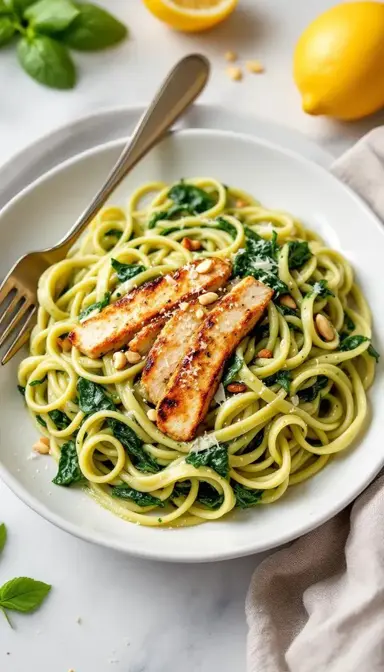
To serve, divide the pasta among warm bowls. Top each portion with a final dollop of the remaining pesto, a extra grating of Parmesan cheese, a crack of black pepper, and a light drizzle of your best olive oil. This layering of the pesto—both mixed in and on top—gives you an incredible burst of fresh flavor in every bite.