Focaccia recipe
fromrecipetineats.comwww.recipetineats.com/wprm_print/recipe/59032
Recipe video above. Forget the pale, too-sweet pillow bread that fuelled the focaccia rage of the 90's. This is how Focaccia should be - crispy on the outside, yet moist and fluffy inside with a little chew. This authentic Italian bread is bursting with character and impossible to stop eating at just one slice!Short on time? Try the new Quick and Dirty Focaccia!

Ingredients
Focaccia Dough:
For baking:
Garlic Rosemary Topping (Note 5):
Cherry Tomato Topping:
Black Olive Topping:
Instructions
Focaccia Dough:
Make mashed potato: Peel potato, cut into 2.5cm / 1" chunks. Boil until fully tender (around 10 - 15 mins; check centre with skewer). Drain and mash very well with a potato ricer or masher until smooth and lump-free. Set aside to cool, and measure out required quantity.
Mix Dry: Place flour, salt, sugar and yeast in a large bowl and mix well with a firm rubber spatula.
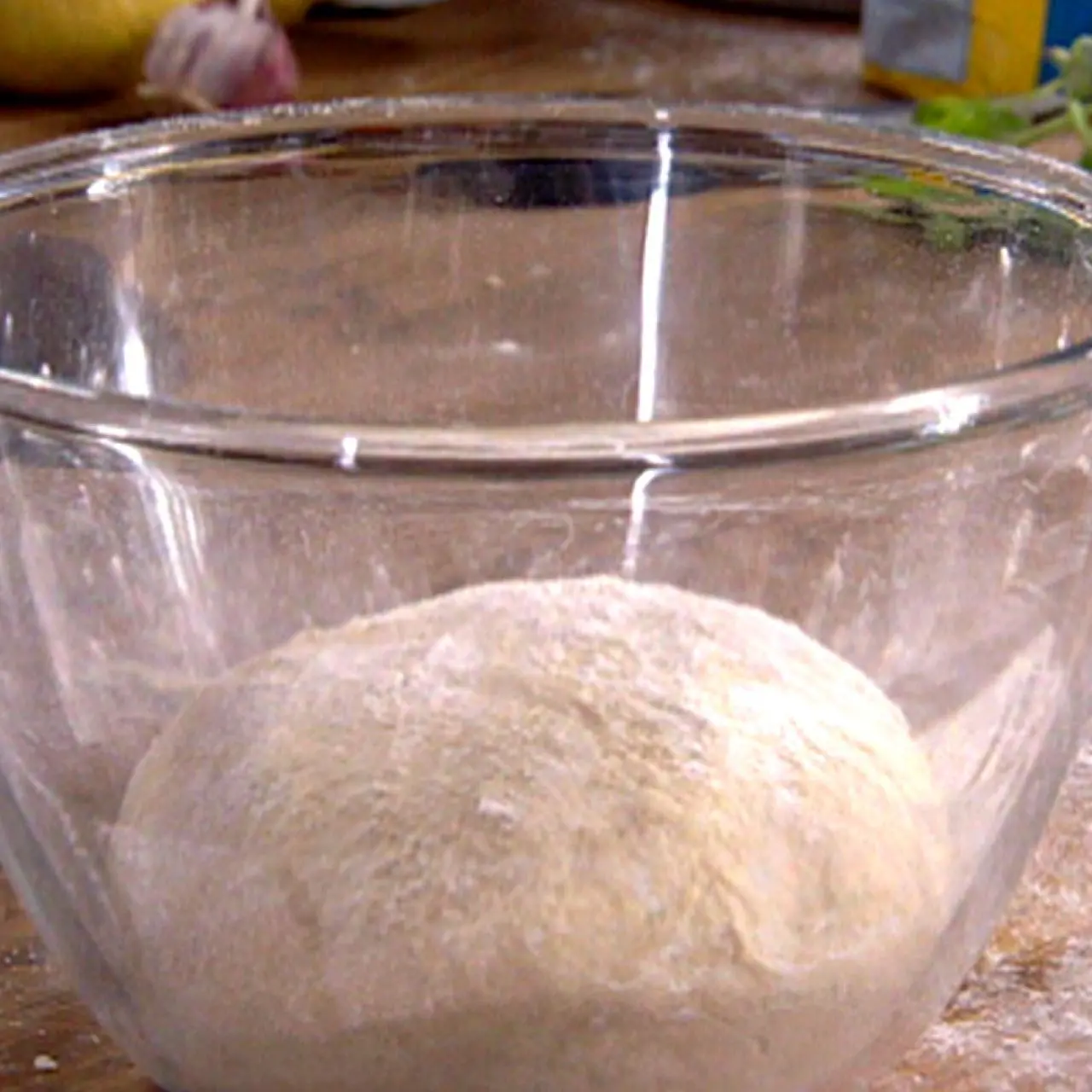
Add Wet: Make a well in the centre, then add olive oil and warm water. Mix with spatula until you can no longer see flour. Dough should be sticky – too sticky to knead by hand. If your dough seems a touch dry, work in a tablespoon of water at a time to adjust (see video for reference).
Add Potato: Add mashed potato. Using a folding motion, start mixing it through using the spatula. Then start smearing it along the walls of the bowl. Once potato is evenly incorporated, shape roughly into a ball in the bowl.
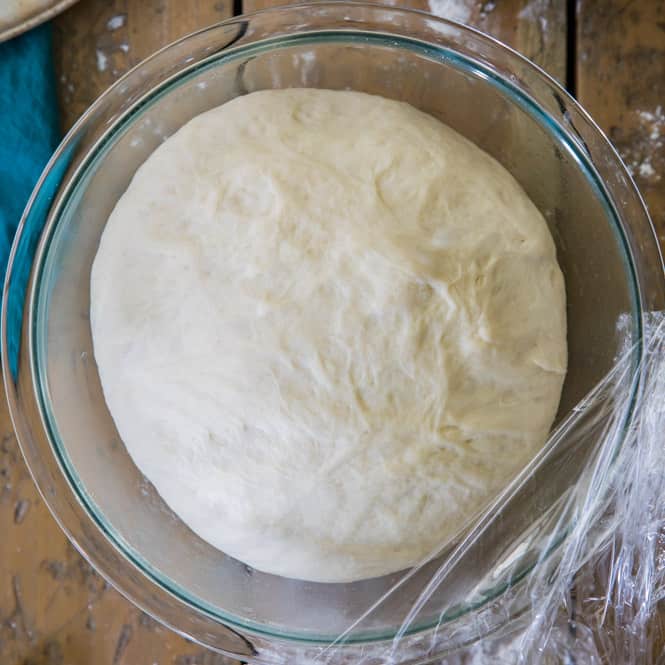
Rise 1: Cover bowl with cling wrap, then put in a warm place (25°C/77°F) for 30 minutes until it increases in volume by 50% or up to double in size. (Note 6)
Fold dough: Get another large bowl, drizzle with 2 teaspoons of olive oil then use your hands to smear it around the bowl. Scrape dough in, then fold the edges of the dough into the centre six times. Shape into ball, cover with cling wrap.
Rise 2: Put the bowl in a warm place (25°C/77°F) for 30 minutes until it increases in volume by 50% or up to double in size.
Prepare pan (see Note 7 for pan types info): Meanwhile, prepare the pan. Use a 26.5 x 20 x 5 cm / 10.5 x 8 x 2” metal non-stick pan, or a 9”/23cm round cake pan, preferably not springform. Pour in 2 tablespoons of olive oil, then smear it all across the base and along the walls.
Preheat oven: Preheat oven to 220°C / 430°F (200°C fan), and set a rack on middle shelf. Allow enough time to ensure oven has been preheated for at least 15 mins for best results.
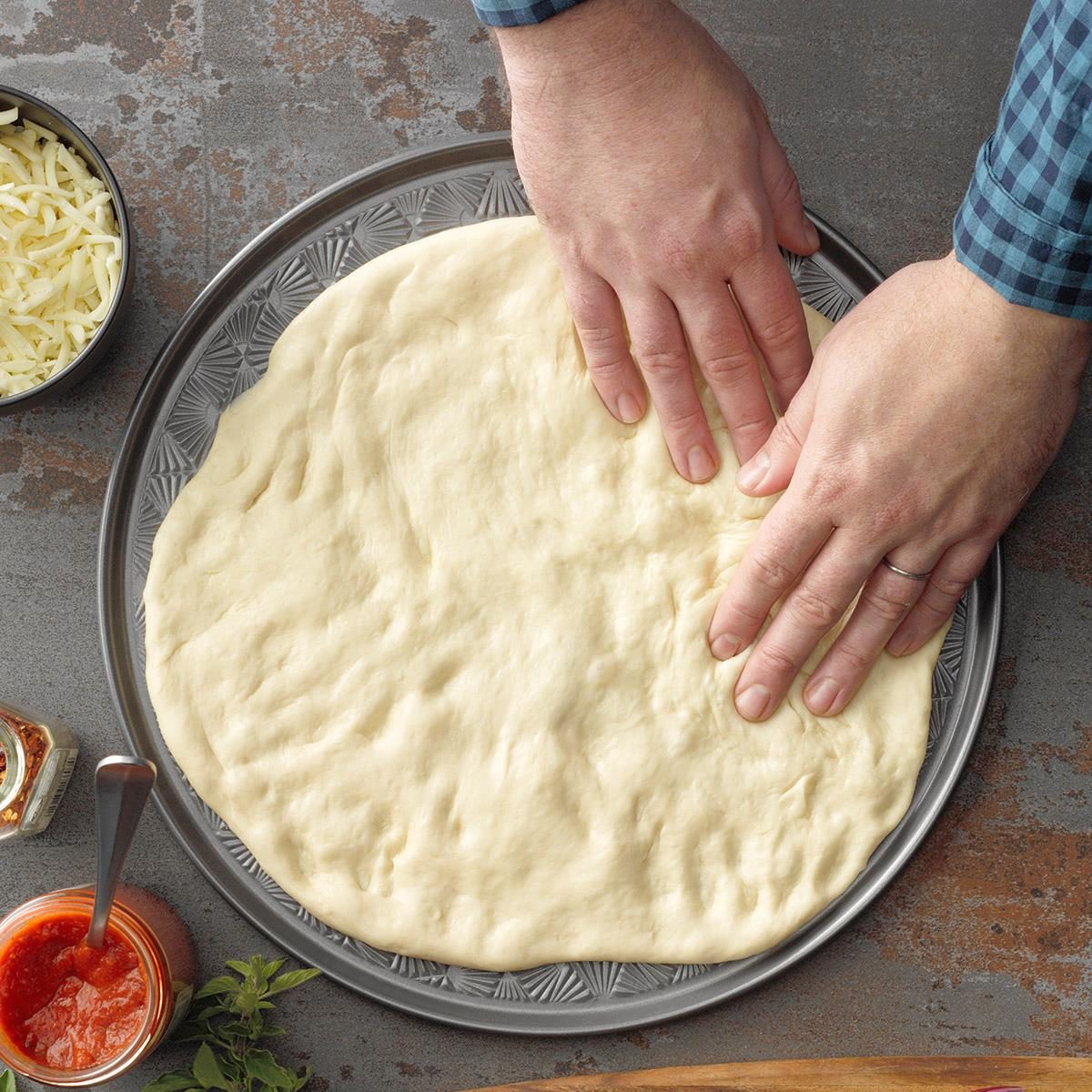
Put dough in pan: Scrape dough into prepared pan. Stretch and pull to fill the base as best you can (itʼs an elastic dough so a bit stubborn!), and get the surface roughly level. Itʼs ok if itʼs bumpy, it will smooth out later.
Rise 3: Cover pan with cling wrap, then put in a warm place for 40 minutes until the dough expands and fills the pan, and the height rises by around 25 - 30%.
Prepare for Baking:
Smear surface with oil: Drizzle the surface with 2 teaspoons of olive oil, and smear/rub it over lightly with your hands.
Poke! Using both your hands like claws, push your fingers deep into the dough, right to the base of the pan to create the signature dimples. Do this around half a dozen times across dough surface. This will somewhat deflate the dough and is OK. (Note 8)
Toppings: Top with toppings of choice – see below.
Finishing olive oil & salt flakes: Drizzle the surface with 2 tablespoons of olive oil so it runs into the dimples. Then sprinkle with sea salt flakes.
Bake:
Bake for 25 - 30 minutes until the top is deep golden and lightly crisp, while the sides are fried and crusty.
Cool: Turn out onto a cooling rack. Let is rest for at least 10 minutes before cutting to serve. It is ridiculously good served freshly made!
Optional: Finishing with a final flourish of extra virgin olive oil across the surface certainly doesnʼt go astray! Also some olive oil for dipping is always welcome. :)
TOPPINGS:
Confit Garlic & Rosemary: Place garlic and oil in a small saucepan over medium heat. Once the oil becomes hot, turn down to low and leave for 10 minutes. The garlic should not sizzle, it just poaches gently in hot oil. Strain, cool, then press onto surface of focaccia. Sprinkle with rosemary. Proceed with recipe.
Cherry tomato: Squish each tomato while holding near focaccia surface. Press onto surface, pushing into the dough. Sprinkle with oregano. Proceed with recipe.
Olives: Press onto surface of focaccia, pushing into the dough. Sprinkle with oregano. Proceed with recipe.
Notes
- 1. Bread flour - high protein flour especially for bread which yields a chewier, more elastic crumb than using plain/all purpose flour. If making focaccia for company, worth a trip to the store to get it! But it's still worth making with plain/all-purpose flour. The crumb is just not quite as chewy. 2. Instant / rapid rise yeast - this is the yeast that doesn't need to be mixed with warm water and left to foam before using. It is just added straight into the dough. We found this makes the fluffiest focaccia. Dry active yeast - to make this using dry/active yeast, change recipe steps as follows: Mix warm water, sugar and yeast in a small bowl. Cover and leave in warm place for 10 minutes until surface is completely foamy. Mix Dry ingredients per step 1. Make a well, add foamy yeast water, and the olive oil. Proceed with recipe. Fresh yeast - haven't tried yet! 3. Potato - All-rounders or floury potatoes are better here than waxy ones. Australia - Sebago (dirt brushed) are great. US: Russet or Yukon Gold. UK: Maris Piper. See my Creamy Mashed Potato post if you need more detail on making mashed potatoes (only follow potato mashing steps, and don't salt the water – so, no butter or cream! 😉). 4. Sea salt flakes work best for sprinkling across the surface, rather than cooking/kosher salt. Definitely do NOT use table salt– too fine, makes it too salty, 5. Garlic Rosemary - this is a classic topping option. For this, we need to make Confit Garlic instead of using just raw garlic on the surface because raw garlic burns at the high temp required to bake the focaccia. Confit garlic becomes soft so it wonʼt burn, it will go golden and a bit crisp. The next day, some of it goes jammy which is sooo good! GARLIC cutting: Cut the garlic into 2mm thick slices then each slice into 6mm / 1/4” thick pieces. 6. Dough rising: The rate at which dough rises and how much it rises in the times provided depends how warm it is. At 25°C/77°C, the dough will rise by almost double in Rise 1 and Rise 2. Don't let the dough by much more than double (eg. triple in size) because the yeast may run out of rising power so the focaccia doesnʼt rise as much as it should when baking. My winter fallback for dough rising: the dryer! Run it (empty!) for a couple of minutes, then put the bowl in and quickly close the door. A warm cosy place for the dough to rise! 7. Pan - Metal pans will make the crispiest crust, and non-stick is best. If you don't have a non-stick pan, ensure you oil the pan base evenly and well. It may slightly stick but will still come out. Glass works fairly well too. 9”/23cm round cake pan also works great - see the olive focaccia pictured in post. Better if itʼs not springform as it leaks oil. Rectangle pan size: For rectangular pans, any pan with a (Length x Width) equal to around 500 - 600 (cm) / 75 - 85 (in), and a Height of around 5 cm / 2 in will work. So a 9-in square pan for example is perfect. Some US product links here, here and here. 8. Dimples: Donʼt be shy with this step - make lots of holes, you cannot ruin it, I promise! They donʼt need to be even, irregular is fine. Most of the holes disappear when baked. 9. Storage and reheating – Focaccia keeps well for a few days sealed in a zip lock bag. I highly recommend reheating in the oven to make the inside soft and fluffy again, and crisp the outside! Reheat at 180C (160F fan) on a tray, uncovered. The exact time depends on how big your piece is but start with 10 mins and go up from there. When the outside is crispy and the inside fluffy, it's ready! 10. Making dough ahead – We found this is one bread where letting the dough sit in the fridge for several days (whether to improve flavour or to prep ahead) actually leads to a WORSE focaccia. The dough loses much of its rising power, and results in a much denser bread when cooked. Overnight might be OK, but I did not test this. To be safe it's best to make this one on the day you plan to serve! 11. Nutrition per serving, assuming 8 servings.


:max_bytes(150000):strip_icc()/ALR-20171-quick-and-easy-pizza-crust-VAT-4x3-2-229693959a224d749b062d4eb8983351.jpg)