Idli Recipe (Idli Batter)
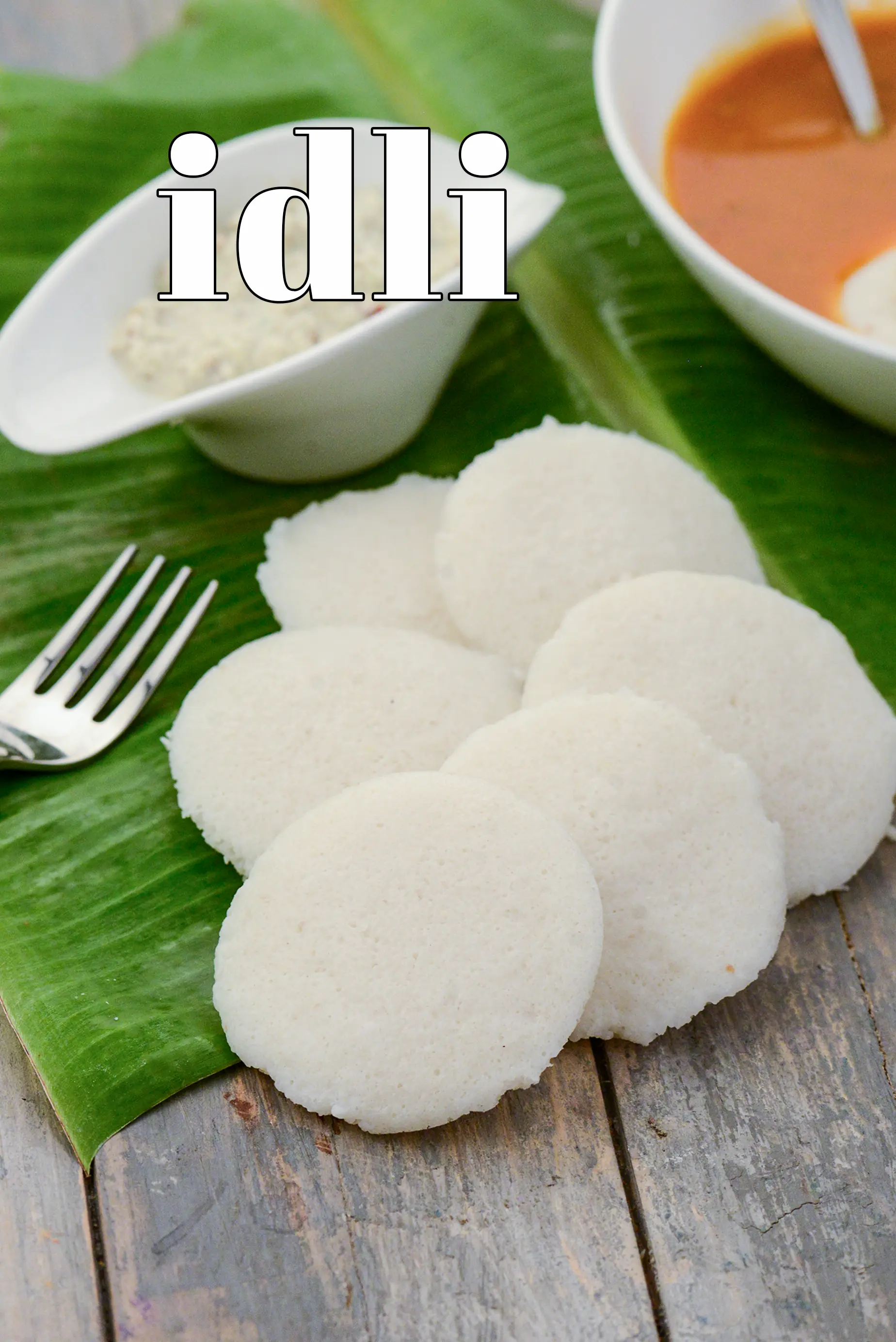
Make soft and fluffy South Indian idli at home with this easy idli batter recipe, complete with step-by-step photos, tips, and video.
Ingredients
Instructions
Put the urad dal in a bowl. Fresh urad dal is best suitable to get soft idlis. Current years harvested urad dal will be white in colour without pale yellow shades. So, make use of new urad dal for better fermentation and soft idly.
Add fenugreek seeds. It helps in fermentation and make soft idlis in case you do not find current years harvested urad dal.
Add water.
Wash it well.
Drain it.
Pour enough water and mix well.
Cover with a lid and keep aside to soak for 4 hours.
Drain it once it is soaked. Keep aside.
In another bowl, add par-boiled rice. For the homemade idli batter, we would highly recommend you make use of par-boiled rice which is a variety of short grained rice. Any variety of short or medium grained like sonna masoori, ponni rice works well. We wouldn’t suggest you to make use of long-grained rice like basmati.
Wash it well. Drain it.
Pour enough water and mix well.
Add thick beaten rice.
Transfer the soaked and drained urad dal and fenugreek seeds to a mixer jar.
Add approx. 1 cup of water. Do not add all water at once, start with a lesser amount and add water as needed. Traditionally, a stone grinder is used to prepare idli/dosa batter. If you have one, make use of it or you can also make use of a wet grinder or mixer grinder like us. Ensure the batter does not warm up while grinding. If your mixer jar gets heated quickly, make use of cold water while grinding. This will prevent the idly from turning hard.
Blend to a smooth paste.
Transfer the mixture into a deep bowl and keep aside. A light fluffy batter is a key to soft, pillowy idlis.
Similarly, par-boiled rice and thick rice flakes.Transfer to a mixer jar.
Add approx. 1½ cup of water. Add enough water to grind the batter and don’t be scared of the amount because less water results in denser idli. Also, the quantity of water depends upon the quality of rice you use
Blend to a slightly coarse paste.
Add this mixture to the urad dal-fenugreek seeds mixture. Open the mixer jar once in between, push down the contents and blitz it. For the idli to have a fluffy texture, it is important to soak and blend the dal and rice separately.
Add salt. There are conflicting thoughts about the addition of salt. Many people add before fermentation, many after. But, as per our observation the addition of salt helps in fermentation. Also, regular salt contains iodine which might interfere with the fermentation process so, many people use a non-iodized salt (rock salt or sea salt).
Mix very well with clean hands. Mixing with yourhands helps in the fermentation process so don’t skip this step.
Cover it with a lid and keep aside to ferment in a warm place for 12 hours. Idli batter requires a warm place to ferment. If you live in a warm place, you can leave the batter outside on your kitchen counter and it will ferment. However, if you live in a cold place, place the batter in the oven with the lights on or in a preheated oven. Depending upon the weather, the batter will require somewhere between 8-12 hours to ferment.
To prepare soft and fluffy idlis at home, grease idli moulds with ghee or oil. You can also steam the idli in a damp muslin cloth.
Also, put the water in a steamer for boiling. If the water is too little, it won’t steam properly but, if you put a lot of water, it will go inside the idli plate.
Pour spoonfuls of batter into each of the greased idli moulds. Do not overfill the mould, as the idli might fluff up and spill out. If you fill it less, the idlis will come out flat so, it should be just right.
Once all your idli plates are filled and ready, place them one above another insuch a way that from the three holes you can see the idli batter filled in the plate placed below, this will ensure even steaming. So, adjust accordingly.
Steam in an idli steamer for 10 to 12 minutes or till they are cooked. If the flame is too high, the water might bounce to the idli plates so, make sure you cook on a medium flame. Also, idli tend to turn hard when cooked on a high flame.
To check if the idli is cooked or not, poke with a knife or a toothpick in the center and check if it comes out clean. If not, steam for some more time.
Once the idlis are cooked, cool them slightly. Dip a spoon in the water and using this spoon loosen the sides of idli and demould them. You can also make use of a greased knife to loosen the sides. Keep aside.
Repeat with the remaining batter to make more idlis.
Serve idli hot with sambhar, coconut chutney and malgapodi.
Cover with a lid and keep aside to soak for 4 hours.
After 4 hours, drain the soaked parboiled rice. Keep aside.
After fermentation, the idli batter will resemble this. The batter will increase in volume and have a bubbly frothy layer on top. There will also be a typical faint sour aroma from the fermented idli batter.
Mix the batter well once again. The batter should have a nice flowing consistency. It should neither be too thick or too runny. Now our idli batter is ready to prepare idli. If not using the entire batter immediately, refrigerate in an air-tight glassware. Storing the idli batter in plastic or steel container, might make the batter sour. You can even make crisp dosa and fluffy uttapam with the same batter!
Nutrition
- Serving Size
- 50 idlis
- Calories
- 33 calories
- Protein Content
- 1.0 g
- Carbohydrate Content
- 7.2 g
- Fiber Content
- 0.3 g
- Fat Content
- 0.1 g
- Cholesterol Content
- 0 mg
- Sodium Content
- 1 mg