Shortcrust Pastry Recipe
fromstationrecipes.comstationrecipes.com/shortcrust-pastry-recipe
Classic European pastry dough that's tender, flaky, and buttery—the perfect foundation for sweet and savory pies, tarts, and quiches. Prep Time: 15 minutes (plus 30 minutes chilling) | Cook Time: Varies by recipe | Total Time: 45 minutes | Yield: Enough for one 9-inch pie crust or tart

Ingredients
Instructions
Make sure your butter is cold and cubed into roughly 1/2-inch pieces. Pop it back in the fridge while you prep if your kitchen is warm.
In a large mixing bowl, whisk together the flour and salt until evenly combined. This takes about 10 seconds.
Add those cold butter cubes to the flour mixture. Work quickly using a pastry cutter, two knives, or your fingertips to cut the butter into the flour. You’re aiming for a mixture that looks like coarse breadcrumbs with some pea-sized pieces of butter still visible. If using your hands, work fast with your fingertips, not your warm palms. This takes 2-3 minutes max.
Start with 4 tablespoons of ice-cold water, drizzling it over the flour mixture one tablespoon at a time. Use a fork to toss and mix gently after each addition—don’t stir aggressively. Add another tablespoon or two only if needed. The dough should just barely come together when pressed, looking shaggy, not wet or smooth.
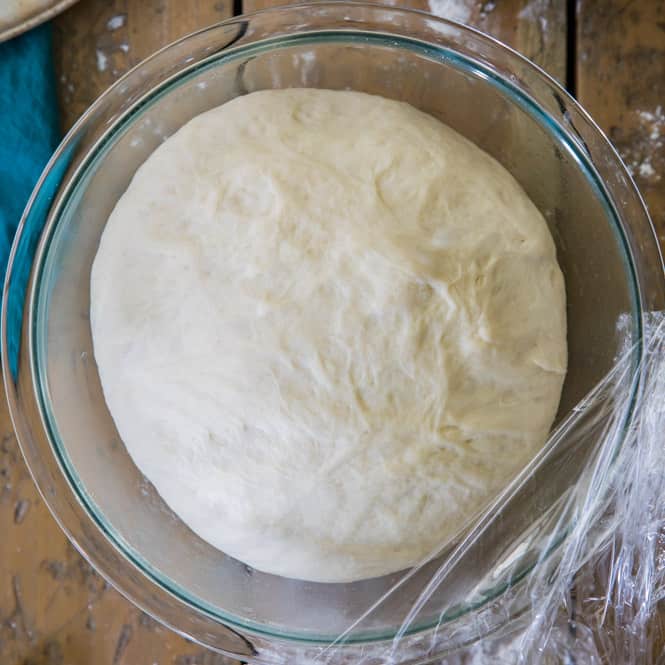
Turn this shaggy mixture onto your work surface and gently press it together into a rough disc. Don’t knead—just press and shape into a flattened disc about 1-inch thick. Wrap tightly in plastic wrap and refrigerate for at least 30 minutes, but an hour is better.
When ready to use, preheat your oven to 375°F. Let the chilled dough sit for about 5 minutes if it’s rock hard—you want it cold but pliable enough to roll without cracking.
On a well-floured surface, roll out the dough from the center outward, turning it 90 degrees every few rolls. Aim for about 1/8-inch thickness or whatever your recipe calls for.
Carefully roll the pastry around your rolling pin and unroll it over your pie dish or tart pan. Gently press it into the corners without stretching. Trim excess, leaving about 1 inch for pies or flush for tarts. Crimp the edges as desired.
If blind baking, prick the bottom with a fork, line with parchment paper, fill with pie weights or dried beans, and bake according to your specific recipe. Otherwise, fill and bake as your recipe directs.
185
20g
3g
11g
1g
150mg
Seriously, keep everything cold. Warm butter is the enemy of flaky pastry
Don’t overwork the dough. Handle it as little as possible—you want to see bits of butter, not a uniform paste
Add water sparingly. Different flours absorb different amounts, so go by feel rather than exact measurement
The dough should look shaggy and barely hold together, not smooth like cookie dough
Chilling is non-negotiable. It relaxes gluten and firms up butter so your pastry doesn’t shrink
Use for apple pie, cherry pie, pumpkin pie, or any fruit pie
Perfect for quiche, vegetable tarts, or savory galettes
Make individual turnovers filled with fruit or savory fillings
Bake blind and fill with pastry cream and fresh fruit for elegant desserts



:max_bytes(150000):strip_icc()/ALR-20171-quick-and-easy-pizza-crust-VAT-4x3-2-229693959a224d749b062d4eb8983351.jpg)