How to Make Authentic Japanese Gyoza from Scratch
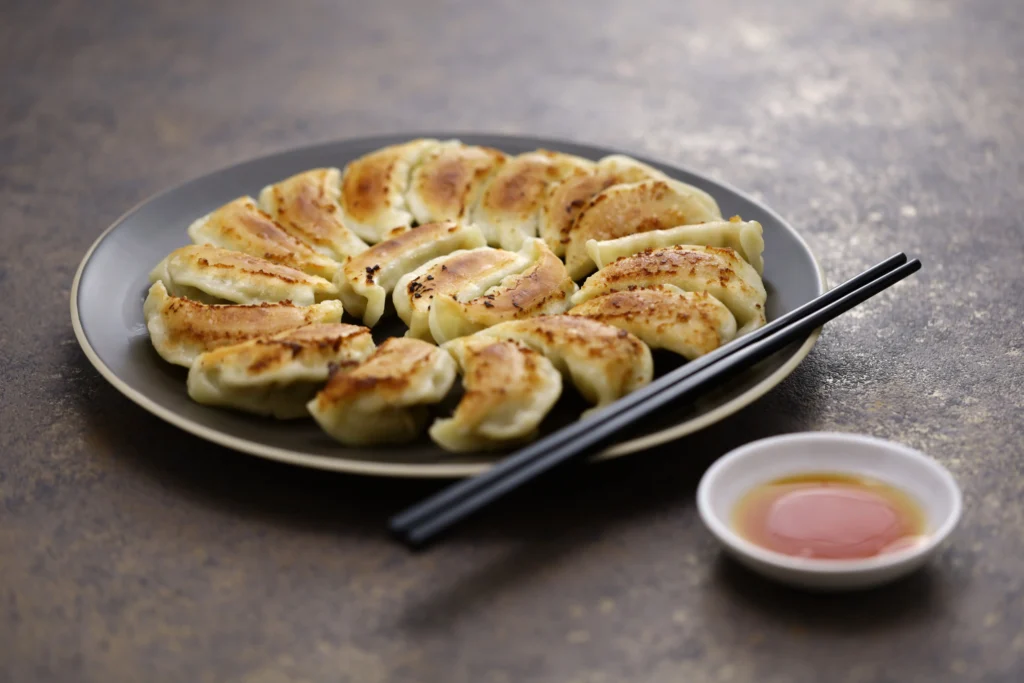
Discover the delicious and vibrant japanese gyoza recipe made with fresh ingredients. Learn the secrets to perfect dumplings with crisp bottoms.
Ingredients
Instructions
Place a wrapper in your palm, add a heaping teaspoon of filling at the center.
Dip a finger in water, run it along half the wrapper’s edge.
Fold the wrapper in half over the filling, pinching the center to create a half-moon shape.
Pleat only one side (about 3-4 pleats), then press to seal completely—this creates that signature look and mouthfeel.
Percentages are based on a 2000-calorie diet
Lower sodium and fat options available with simple swaps
Lean Protein Switch: Swap ground pork for ground chicken or turkey.
Vegetarian Version: Replace meat with minced shiitake mushrooms, tofu, or a medley of your favorite vegetables (try carrot, edamame, or chopped kale).
Gluten-Free: Choose gluten-free wrappers and use tamari instead of soy sauce.
Low Sodium: Use reduced-sodium soy sauce and omit added salt.
Extra Fiber: Include shredded carrots or a handful of cooked quinoa in the filling.
Classic Approach: Serve gyoza straight from the skillet, crisp bottoms up, alongside a bowl of dipping sauce.
With Broth: Float a few in a steaming bowl of chicken or vegetable broth, topped with fresh scallions and a drizzle of sesame oil.
On Salads: Toss pan-fried gyoza over a vibrant Asian slaw, adding crunch and color.
For Parties: Skewer cooked gyoza with cucumber and pickled radish for easy finger food.
Paired Sides: Rice, miso soup, and a chilled cucumber salad make perfect partners.
Overfilling Wrappers: This can lead to gyoza bursting open while cooking. A heaping teaspoon is usually just right.
Not Squeezing Cabbage Dry: Excess moisture makes fillings watery and soggy.
Skipping the Pleats: Straight-folded gyoza won’t crisp as nicely or hold in the filling as well.
Using High Heat Only: Too high, and they scorch without cooking through. Maintain medium-high and adjust as pans differ.
Crowding the Pan: This causes uneven browning and can trap excess steam, causing soggy bottoms.
Freezing Uncooked Gyoza: Lay assembled dumplings on a baking sheet lined with parchment; freeze solid, then transfer to bags or containers. No need to thaw—just cook from frozen, adding 2 extra minutes to the pan-steam step.
Refrigerating Leftovers: Store leftover cooked gyoza in an airtight container for up to 3 days; reheat in a skillet with a splash of water to revive crispness.
Prepping Ahead: Filling can be mixed and refrigerated up to 24 hours in advance. Wrappers keep best well sealed at room temperature, or up to a week in the fridge.




:max_bytes(150000):strip_icc()/AR-14231-guacamole-4x3-f7a3b5752c7f4f3fb934d03a8b548826.jpg)

